
Winston County Projected Release
A projected release date is a calculated date. It is not the same as the actual date a person walks out of custody. For Winston County, the first question is whether the person is in the county jail before trial, serving a short county sentence, already transferred to ADOC, on parole consideration, under mandatory supervision, or in a federal or immigration system. Each track has a different source.
A pretrial county detainee usually has no set release date. Release may occur when bond is satisfied, a judge signs an order, a charge is dismissed, a sentence is imposed, a hold clears, or another agency takes custody. A sentenced ADOC prisoner has a state release calculation that can account for sentence length, jail credit, correctional incentive time, offense class, classification, discipline, parole action, and court orders.
Scheduled vs actual: a projected date estimates eligibility or sentence timing; actual release still depends on processing, holds, orders, supervision plans, and agency records.
Lookup Winston County Release Dates
The safest lookup begins with custody type. Do not use ADOC as a county-jail pretrial tool, and do not use the jail as the source for a state-prison release once the person has moved to ADOC. Court records link the two systems because a Winston County sentence, bond order, probation order, dismissal, or revocation entry can explain why a custody date changed.
- Decide whether the person is in Winston County Jail, serving a county sentence, sentenced to ADOC, under parole consideration, or in another custody system.
- For county jail custody, contact the Winston County Jail or Sheriff's Office and ask whether release depends on bond, court order, sentence, transfer, or another hold.
- For a Winston County court event, check the Circuit Clerk or Alacourt for bond orders, sentencing orders, probation orders, dismissals, and revocation entries.
- For a sentenced ADOC prisoner, use the ADOC inmate search while the person is currently incarcerated, then use ADOC records, VNS, ABPP, or court sources after release.
- For parole timing, check ABPP eligibility, scheduled hearings, hearing results, and Public Information Unit routing when a parole grant has not yet led to physical release.
- Confirm the final release with the agency that held the person at the moment of release.
The broader named-person workflow remains on Winston County released inmates when the custody system or release date is unclear.
Winston County ADOC Release Limits
Angle O is the key projected-release rule for Alabama. The ADOC public inmate search is current-custody only. Its page states that the database contains only currently incarcerated inmates and that historical data is not available online. A person released from ADOC may disappear from the public search, and that absence alone should not be treated as proof of discharge. Name spelling, AIS number, transfer status, and search limits can all affect results.
For Winston County users, ADOC is most useful before release, after a felony sentence moves the person from the county jail to state prison. If the person is still in ADOC custody, the live result can help identify current custody and release-related information shown by the system. Once release has occurred, confirmation usually moves to ADOC Central Records, Alabama VNS for ADOC-sentenced notifications, ABPP results or supervision channels, and Winston County court records.
Use ADOC for current state custody, not as a complete historical release archive for Winston County cases.
That limit also affects projected-date checks after the person has left prison. If the public ADOC search no longer returns the person, the next step is not to assume the date was wrong or that the sentence vanished. Use ADOC Central Records, the public-records process, Alabama VNS events, ABPP records, and the Winston County sentencing record to rebuild the release trail.
Winston County Good-Time Release
Alabama correctional incentive time is governed by Ala. Code Section 14-9-41 and ADOC regulation. Current public code sources state earning levels by class: Class I can earn thirty days for each thirty days actually served; Class II can earn fifteen days for each thirty days; Class III can earn five days; Class IV earns none. Eligibility is not universal. Offense category, sentence, classification, misconduct, statutory exclusions, and later legal changes can affect the calculation.
Good-time rules should not be applied to every Winston County release. County pretrial release after bond, dismissal, or court order is not an ADOC incentive-time calculation. A county time-served sentence may involve court credit and jail processing, but the research did not locate a Winston County-specific written jail good-time policy. Do not assume one. For ADOC prisoners, use the state statute and ADOC records rather than a county-level shortcut.
The Alabama correctional incentive time statute is the source that supports the good-time discussion on a projected release page.
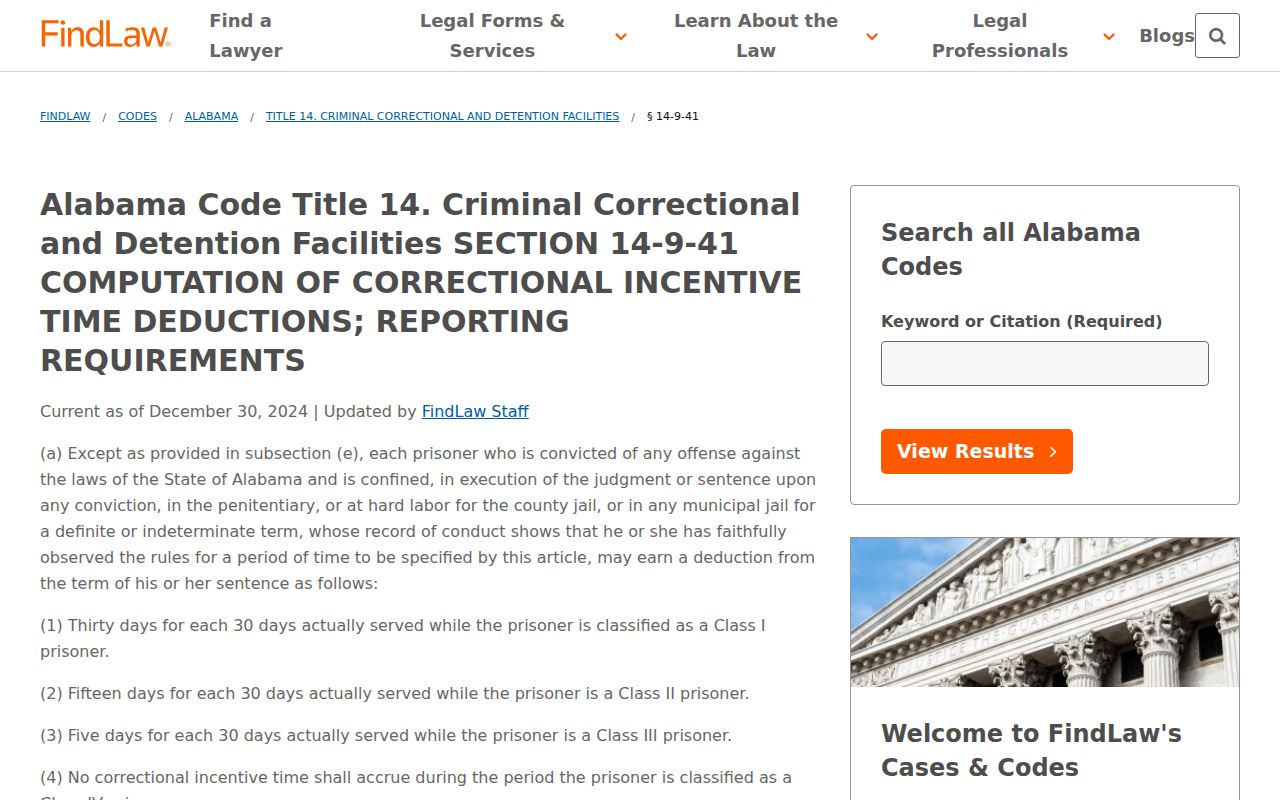
The statute supplies earning classes, but the final date still depends on ADOC classification, eligibility, discipline, credits, and legal limits.
Older summaries of Alabama good time can be misleading because earning rules and eligibility limits have changed. Use the current statute and ADOC records for the person involved. A county jail release after bond or dismissal should not be forced into the same incentive-time framework used for a sentenced state prisoner.
Note: Alabama release timing should not be reduced to one universal 85 percent rule for every Winston County inmate.
Winston County Parole Release
Parole eligibility is separate from the projected release date. The Alabama Bureau of Pardons and Paroles public guidance states that eligibility consideration is calculated under Ala. Code Section 15-22-28(e), and that the sentence, crime, jail credit, ability to earn good time, time served, and sentencing-court orders can affect the eligibility calculation. An eligibility date means the person may be considered. It does not mean release will occur that day.
A parole result can be granted, denied, continued, reset, or handled by the Board in another way. ABPP also warns that a reset date is the first month and year a person may be considered for placement on a future docket, not a new release date. A grant is also not always immediate physical release. Paperwork, release planning, detainers, supervision conditions, and custody processing can keep the person in ADOC after the Board acts.
ABPP's parole eligibility guidance is the matched source for calculating why eligibility and release dates can diverge.
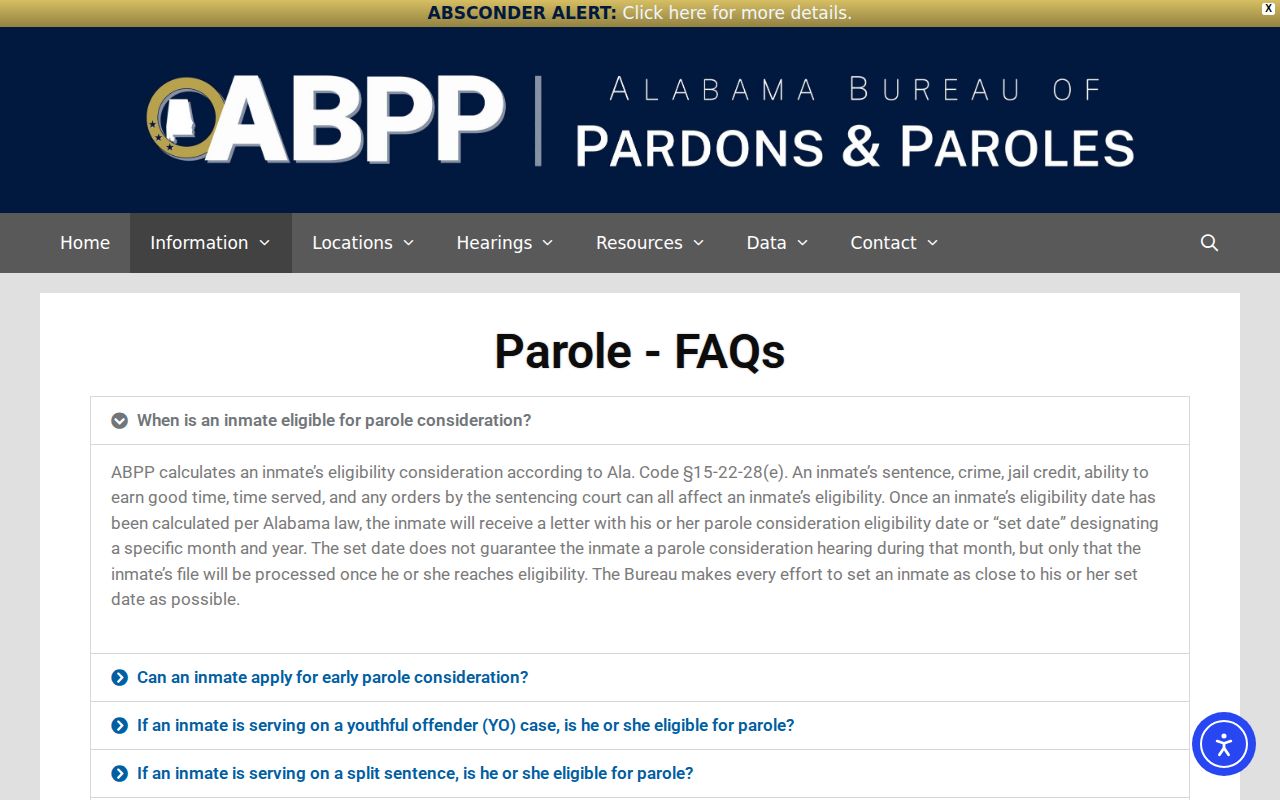
Use ABPP for eligibility, hearing dates, grants, denials, resets, and local supervision routing, not as a jail release feed.
When a result says granted, check whether the person has actually left ADOC custody. A grant may still require release planning, supervision acceptance, transport, detainer review, or paperwork. If the person will report in Winston County, the Double Springs Field Office becomes part of the confirmation path after release.
Winston County Release Date Changes
Release dates move because custody status is a chain of decisions. A court order can change a jail date. Jail credit can move a prison calculation. Discipline can reduce incentive time. A detainer can block community release after one sentence ends. Parole can be granted, denied, continued, or reset. Mandatory supervision can create a state notification event. Records can lag as data moves between court, jail, ADOC, Alabama VNS, and ABPP.
| Situation | Release-date source | Why it changes |
|---|---|---|
| Pretrial Winston County Jail | Sheriff, jail, court order | Bond, dismissal, judge's order, hold checks, or transfer can change timing. |
| County time-served sentence | Jail and sentencing court | Sentence order, jail credit, holds, and records processing control the date. |
| Sentenced ADOC inmate | ADOC current custody and records | Incentive time, classification, discipline, jail credit, and exclusions affect calculation. |
| Parole-eligible inmate | ABPP eligibility and hearing records | Grant, denial, continuance, reset, detainers, and release planning can alter outcome. |
| Mandatory supervision | ADOC, Alabama VNS, ABPP | State release events and supervision terms must be processed before final status is clear. |
| Federal BOP inmate | BOP locator and federal records | Sentence recalculation, federal court action, or another custody system may affect release. |
| ICE hold or transfer | ICE locator, DHS VINE, court or jail | County release may become immigration custody rather than community release. |
Winston County Jail Release Dates
For Winston County Jail, projected release is often the wrong term before sentencing. A pretrial detainee does not have a calculated state-prison discharge date. The person may be released after bond, recognizance, a court order, dismissal, acquittal, sentence to time served, probation order, or hold clearance. The date is tied to the court and jail process, not to ADOC correctional incentive time.
When asking the jail, use custody words instead of prediction words. Ask whether the person is still in custody, released, transferred, or held for another agency. If staff say release depends on court action, use the Winston County Circuit Clerk or Alacourt for the legal record. If staff say the person transferred to ADOC, switch to state custody sources.
For a short county sentence, the court's sentence order and jail credit are the best starting points. The research did not find a Winston County jail-specific published release-date calculator, so the page should not claim one. The jail can explain the local processing status, while the court record explains the sentence or order that made release possible.
Confirm Actual Winston County Release
The actual release date should be confirmed with the agency that controlled custody at release. For Winston County Jail, that means the sheriff or jail record plus the court record when the release was tied to bond, disposition, sentence, or probation. For ADOC, use ADOC records and the state channels that apply after release. For parole, use ABPP hearing results, Public Information Unit routing, and the local supervision office when the person is under field supervision.
Alabama VNS and VINELink can help with ADOC-sentenced notification events, but not every Winston County jail case belongs there. A separate VINELink Inmate Search path is best when the person is an ADOC-sentenced Alabama prisoner and notification registration matters. When the person was released from county jail before trial, sheriff and court sources remain primary.
The Alabama parole statute is also relevant because parole consideration is one reason a projected date, eligibility month, and actual release may not match.
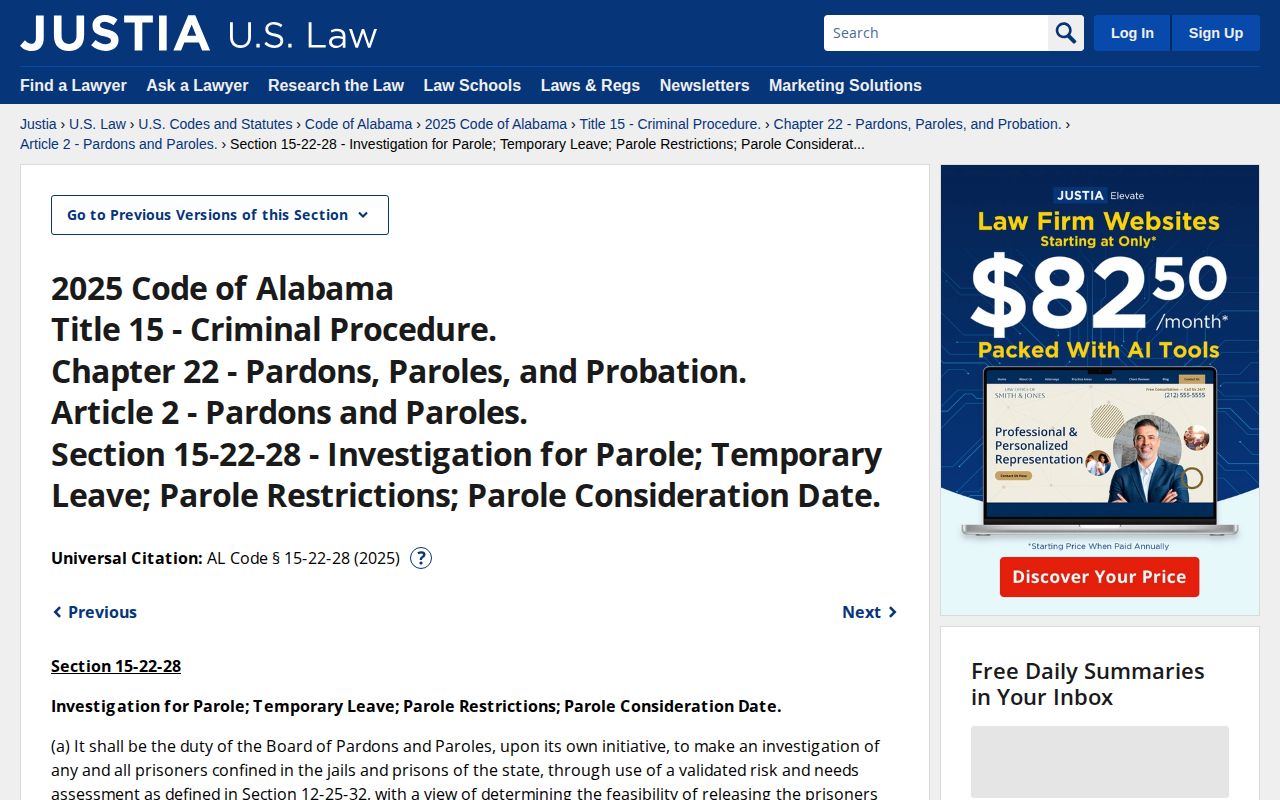
Read parole law as a release-timing factor, then verify the final custody event with ADOC, ABPP, the court, or the jail.
Federal and immigration custody add another layer. A BOP projected release date belongs to the federal system, and ICE custody uses separate locator and DHS notification tools. If a Winston County case intersects with a federal hold, the county jail date may only show when local custody ended, not when all custody ended.